Designing a Seamless Food Discovery & Ordering Experience
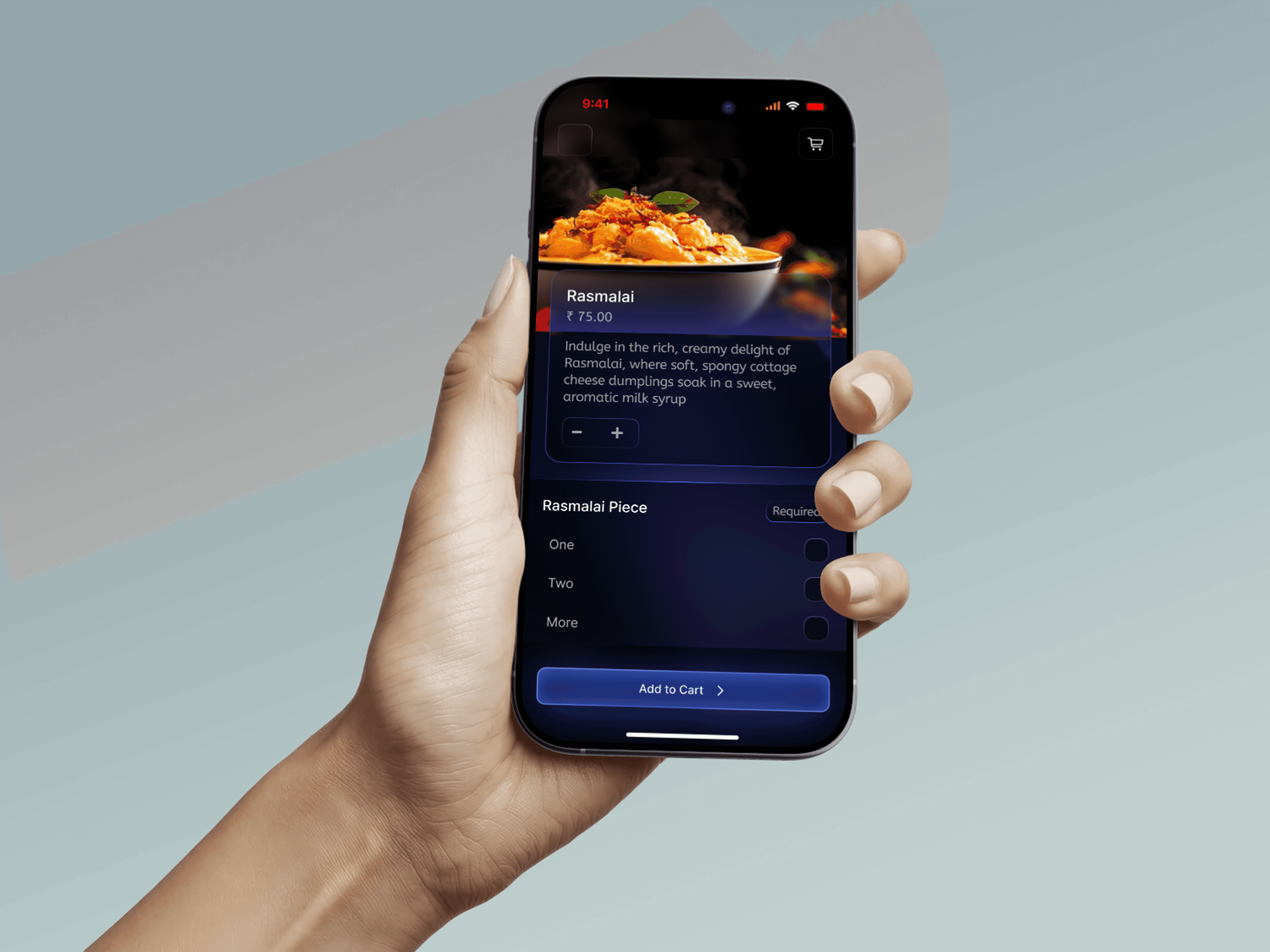
MASALAMAP is a mobile app designed to help food lovers discover the best street food around them based on their taste preferences, location, and mood. The goal was to create a user-friendly platform that connects users with hidden culinary gems while supporting local food vendors.

Ottawa, Ontario, Canada
2006
E-commerce
$1.578 billion (2019)
5,000+
Problem Statement
Users of food delivery apps often face challenges such as cluttered interfaces, lack of personalized recommendations, and inefficient food discovery processes. These issues result in frustration, decision fatigue, and diminished engagement. MASALAMAP aims to solve these problems by providing a clean, intuitive design, personalized food suggestions, and innovative features like map-based discovery to enhance the overall user experience.
Possible Solution
MASALAMAP solves food app challenges with a clean, intuitive interface, personalized recommendations, and an innovative map-based discovery feature. Users can explore nearby restaurants visually, search efficiently with smart filters, and enjoy seamless order tracking. Designed for responsiveness and inclusivity, MASALAMAP ensures a delightful and effortless food discovery experience for all users.
85%
users prefer apps with
personalized recommendations
60%
users engage more with
map-based food discovery features
80%
users were satisfied with the
app's usability and design

Process
Research & Analysis:
“What’s near me right now?” is the most common intent
Users rely more on photos than ratings
Street food lacks trust signals (hygiene, crowd, freshness)
Information Architecture:
The app structure was kept minimal to reduce cognitive load:
Home (Map + Feed)
Search
Saved Places
Add Review
Profile
Wireframing & Prototyping:
Low-fidelity wireframes were created to:
Define layout hierarchy
Prioritize map-based interaction
Ensure thumb-friendly navigation
Key focus areas:
Map as primary interface
Bottom navigation for accessibility
Quick preview cards for fast scanning
An interactive prototype was built to simulate real usage.
Key interactions:
Tap on map pins to view food spots
Swipe through nearby options
Apply filters dynamically
Usability Testing :
Method
5 users tested the prototype with real tasks:
Find nearby “Chaat”
Save a food place
Navigate to location
Findings
Too many pins caused confusion
Filters were not easily discoverable
Improvements
Introduced clustered map pins
Made filters more visible and accessible





Impact :
Reduced decision-making time
Improved trust through visual-first design
Created a more engaging discovery experience compared to traditional apps
Learning :
Visual trust is critical in food-related decisions
Users prefer speed over complexity
Real-world context matters more than perfect UI
Wireframing & Prototyping:
Low-fidelity wireframes were created to:
Define layout hierarchy
Prioritize map-based interaction
Ensure thumb-friendly navigation
Key focus areas:
Map as primary interface
Bottom navigation for accessibility
Quick preview cards for fast scanning
An interactive prototype was built to simulate real usage.
Key interactions:
Tap on map pins to view food spots
Swipe through nearby options
Apply filters dynamically
Usability Testing :
Method
5 users tested the prototype with real tasks:
Find nearby “Chaat”
Save a food place
Navigate to location
Findings
Too many pins caused confusion
Filters were not easily discoverable
Improvements
Introduced clustered map pins
Made filters more visible and accessible


“ Masalmap completely transformed how we approached food discovery. The map-first UX and visual storytelling made it incredibly easy for users to find local food spots quickly. The design decisions were not just visually appealing but deeply rooted in user behavior.”
Alok Kumar
Founder | Verma Dental Care
Conclusion
Masalmap reimagines how people discover food by shifting the focus from generic restaurant listings to authentic, local experiences. Instead of overwhelming users with options, the app simplifies decision-making through a map-first interface, visual trust, and contextual discovery.
By prioritizing real user photos, proximity-based results, and quick interactions, Masalmap enables users to find what they want faster and with more confidence. The design reduces friction in high-intent moments—when users are hungry and need quick, reliable choices.
This project highlights the importance of:
Designing for real-world behavior, not assumptions
Using visual cues over complex data
Creating experiences that are fast, intuitive, and emotionally engaging
Ultimately, Masalmap is not just about finding food—it’s about helping users experience local culture effortlessly, turning everyday decisions into enjoyable discoveries.
Future Scope
Short-form food video integration
AI-based food recommendations
Live crowd indicators
Voice-based search